Homeschoolers+ (13-16)
Financial education that puts learners first.
You've already made a deliberate choice about how your child learns. Cashtoons was built with the same intentionality — not a textbook to get through, an Accredited Financial Counselor with 20 years of experience ready to listen and put the learner at the center.
Our financial capability tutoring is about experiential learning — learning by doing.
What Cashtoons Brings to Your Homeschool
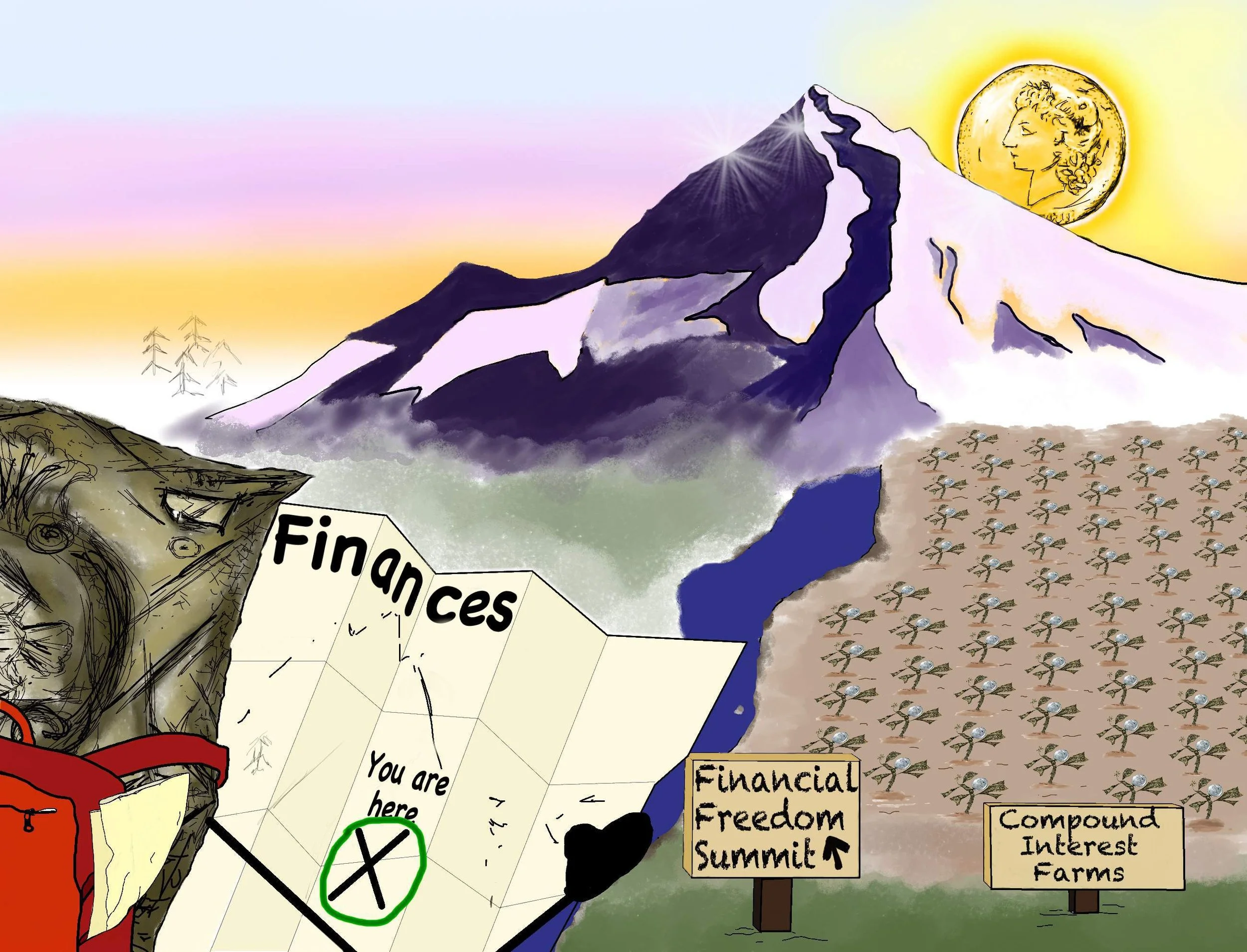
It’s about…
-
Financial capability is about more than just financial facts. It’s about going where the behavior lives — the feelings, habits, and real-life pressures that shape what we actually do with money.
Cashtoons focuses on intentional money management. This framework is built around a simple but powerful question: What matters most to you, and how can your financial choices reflect that?
-
Simply delivering information — feels efficient, but information without engagement is also the fastest path to forgetting. The questions a learner asks themselves, the moments of genuine wondering — these are what act as gatekeepers to long-term memory and real skill building.
The goal isn't to tell young adults what to think about money. It's to create the conditions for them to think — and to arrive at understanding they'll actually own.
-
We uphold a fiduciary standard. The learner’s best interests are our only priority. No selling financial products. No giving personal information to companies that will target young adults later. No recurring subscriptions or buy-now-pay-later options.
Cashtoons was built by parents. We wanted honest financial guidance for our kids. That vision has shaped every part of what we do.

“I have been an educator for over 20 years and am an Accredited Financial Counselor®. Cashtoons started as a labor of love, the finance resource I’d wished for when I was starting out, and the one I want for my son.”
How Humans Learn
Keys to Effective Learning
Successful learning is effortful. It hinges on what is happening in the learner's mind. Passive exposure to information whether reading a text, listening to a lecture, or watching a video, doesn’t guarantee that anything is retained. Human brains are not empty receptacles that sit ready to be filled. Exposure is only the very first step - the critical next step depends on what we do with the new concepts.
To make learning stick we need to truly engage with the content and grapple with the ideas. The wondering and pondering:
Thinking of examples that might apply
Asking ourselves questions
Explaining ideas in our own words
Guessing and playing with concepts in an active and creative way
This is the essential process that acts as a gatekeeper to long-term memory, skill building, and application. It’s also part of why some of the most impactful parts of teaching involve carefully crafted questions and thoughtfully designed activities that we can use to build our understanding and come to our own conclusions. Sometimes called inductive teaching, this approach recognizes the truth in Blaise Pascal’s words: “We are usually convinced more easily by reasons we have found ourselves than by those which have occurred to others.”
The Effort is the Progress

Actively engaging with new material means guessing at conclusions and sitting in uncertainty while we test if our hypotheses are accurate. We are sculpting and reworking the ideas as we ponder and all of this takes effort. Plus, when we see how far we’ve gotten in the text - we’ve spent all this time on the same 2 pages! - it can be frustrating. Like a hummingbird hovering in the air, we are working hard, but seem to be in the same place. That’s how it feels. In reality, it is the effort that is making true progress possible. Months later we will be able to use what we have learned.
Going Nowhere Faster

If we just passively read or listen to the words without asking ourselves questions or thinking critically about the examples given, we can move through the material faster. Everything may even make perfect sense so long as we stick to the exact wording of the author. We don’t have to create or produce anything, so we can keep moving along like a sleeping waterbird getting carried by the current. We feel very accomplished - “Look at everything I’ve completed! I’ve covered 20 pages!” but this is an illusion. We are on the fast track to long-term forgetting. We probably won’t understand the material well enough to recall it or actually use it. The busy hummingbird beats the sleeping waterbird any day.
Growth Mindset

We are all capable of learning to get good at new things. It can be tempting to refer to ourselves and others in ways that imply our abilities are set and static: “I’m not a math person.” or “I’m bad with money.” - “She’s a natural at soccer.” “He’s gifted at art.” Never mind that she practices her soccer skills several hours a week, and he spends every free second sketching.
The most powerful thing we can do for our own learning, is to throw out the idea that people are just good or bad at things. Tenacity and the willingness to work at something will more greatly impact what we can do than any innate ability. Glenn Whitman and Ian Kelleher, authors of NeroTeach, Brain Science and the Future of Education, call this the “yet sensibility”: “I can’t make a goal… yet.” This recognizes that where you are is not where you will always be. Having what psychologist Dr. Carol Dweck calls a growth mindset is the key that unlocks our potential. This shifts the focus to what we can control - what we do, not who we are.
Of course, it is hard to keep at it if you don’t believe you’ll get there, especially when the learning process takes effort and time. The surest way to believe you can do something hard and/or intimidating, is to actually have done something difficult in the past. No amount of being told that you can do it will provide the same genuine confidence. This can sound like a chicken and egg situation. How can we do that first hard thing? This is where the design of learning/teaching materials can work wonders. How can we lower the barriers, not the bar…
Lowering the Barriers, Not the Bar
The Role of Effective Learning Resources
While exposure to the information is only the first step, it is a crucial one that can derail the whole process. In order to facilitate engagement with the new info, the presentation of the ideas matters. We need data to work with to learn something new; we can’t think critically and somehow know how financial institutions work in the United States, or how credit scores are calculated, or what index funds are. We have to get this info from an outside source, and the way concepts are packaged can be the game changer that makes all the difference. In the words of Dr. Judy Willis, neurologist, teacher, and authority on the neuroscience of learning, it’s about lowering the barriers, not the bar.
Scaffolding

Learning something new is like scaling a skyscraper or climbing a mountain, there can be a long way to go to get to the top. We’re given a new term, and there is a lot to figure out: Why is it helpful to know? Is this like something I already know? What’s an example of this? The questions are numerous, and sometimes the leaps can be pretty big. Many financial education resources start by piling on the finance jargon, often defining new words with more new terminology. We are trying to climb without anything to hold on to.
Effective teaching resources provide scaffolding for the climb by breaking up that leap into manageable steps. Also called “stepping it out” - portioning out the new content into doable amounts. This supports the process of engaging with the ideas. How this is done can make a big difference in the level of engagement we can manage as we learn.
Motivation and Rationale
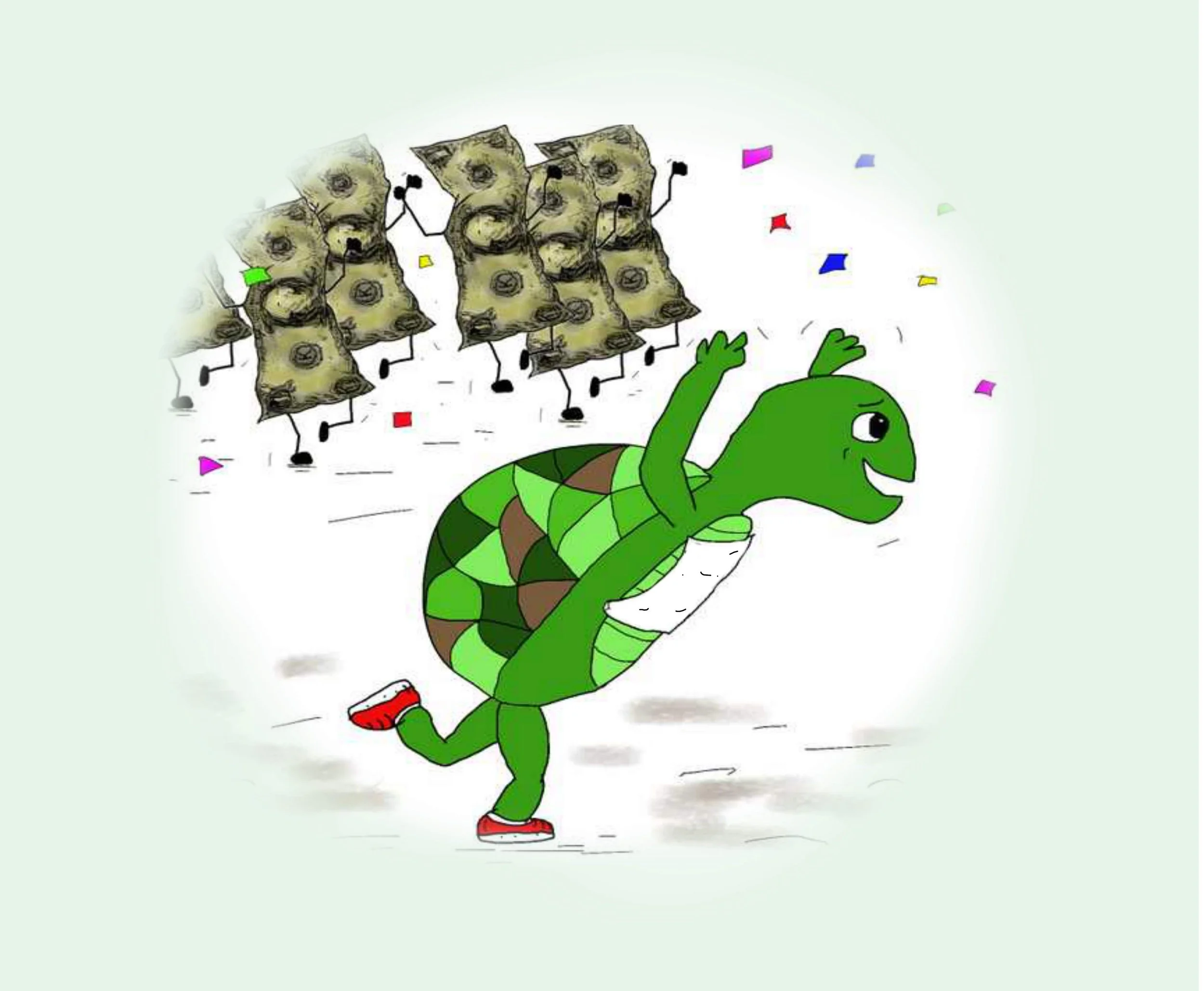
The first step to paving the way for learning is motivation. With young children simply making the learning experience enjoyable (Let’s play a game!) or offering unrelated rewards or prizes can be enough to foster engagement. For adults making the learning process fun usually is not enough. There is a lot of competition for the time and attention of adults, and if they show up to learn, they need to be convinced of 2 things: what they are learning is worthwhile and useful for them, and what they are doing in that lesson/activity will contribute to that learning.
When it comes to financial education, learners in their teens need an element of both approaches to motivation. Like adults, they often have other things they would be doing if they just wanted to have fun that don’t include the words index fund or interest rate, but the more difficult it is to get through the material, the better the chance that they will not really engage.
Any effective learning resource needs to quickly and efficiently answer the questions: Why is this helpful for me to know? What impact does this have on my life? - answering these questions is foundational to providing a rationale for why our brains should pay attention. This is not entirely a choice - Genuinely wanting to pay attention is not enough, we have to believe knowing this information or practicing this skill will be useful in our lives for our brains to be ready engage.
Feeding a Hungry Mind
Let’s say a convincing rationale is accomplished and your brain is motivated to learn this specific information. That is an important first step, but there are still significant barriers to go. This motivation is like making your brain hungry, but if the food is disgusting, it could still be a hard sell.
There are a lot of ways to make something easier to learn:
The Power of Stories: Giving information in the form of stories fosters the ability to make connections between our own lives and what we’re learning. Stories are also more memorable; humans have been passing on information in the form of stories for centuries for a reason. This is a very natural way to learn.
Multimodal Learning: Bored brains have a harder time learning. Using a variety of forms of input, can keep us engaging with the information and prevent our minds from wandering. Using pictures, music, and spoken/printed words can help keep our attention and provide rich analogies that stick.
Directing Focus and Noticing: There is a limited amount of information that we can focus on at any one time. Repetition is not enough if our attention is not called to the things we should notice. This is a big part of effective teaching/learning materials. Our attention is more like a small circle of light than a broad video recording; there is only so much we can truly contemplate at one time, and there is no perfect rewind and replay feature. Materials that parse out information in a way that builds on existing knowledge and invites curiosity and engagement will be far more effective for long term retention.
The First Step to Remembering? - Forgetting. Forgetting and trying to remember is an important part of the process. That struggle makes the human mind more likely to hang on to the information. Like a tilling and loosening of the cerebral soil, that toil actually builds connections in our brains, making real, lasting learning possible. This is uncomfortable. That’s why we sometimes flip to the answer quickly when we forget without spending too much time reaching around in our own heads. Still, even momentarily trying to remember before looking up an answer acts as a message to our brains - “This matters. I need to know this.” Pushing to remember is the signal that strengthens our connection to the information. Like beating a path through the brush, each time we walk it, the way is cleared a bit more. This is not a matter of will power. It’s an aspect of the mechanics of our brains.
Keys to Remembering What We Learn
Spaced Out Practice
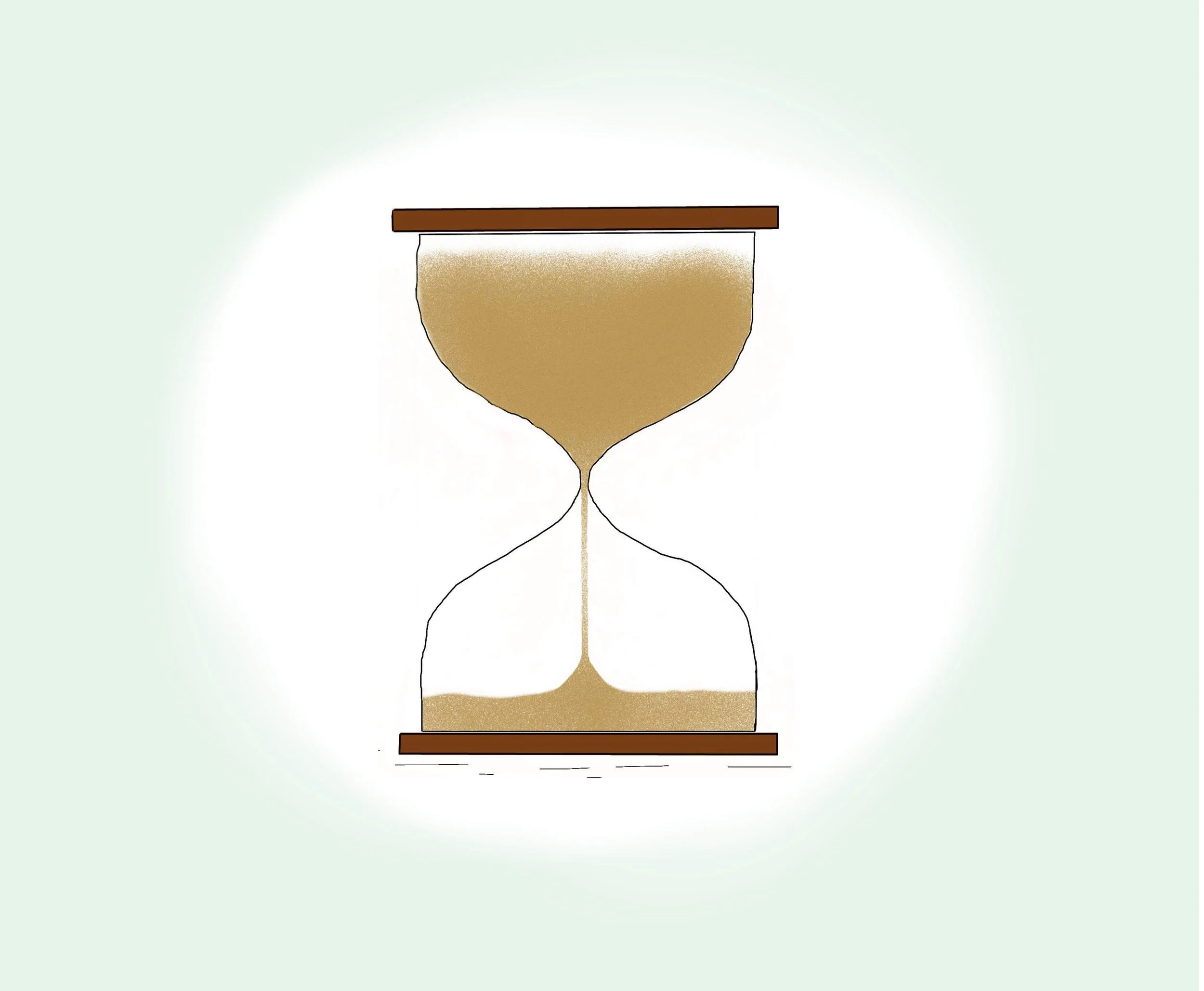
The ironic part - Remembering can’t happen without forgetting. This is part of why spaced out practice is more effective. Sitting down for 3 hours straight reading over the same concepts again and again feels like we are accomplishing a lot - we’re studying “hard”, but splitting up that 3 hours into 1-hour or 30-minute chunks over the course of a week or two would actually work better. We would get a chance to forget and recall the information. In the case of money management, we would also have the opportunity to keep the ideas percolating, as examples come up in daily life, we are more likely to make connections between what we’ve learned and what we do.
Mixing It Up
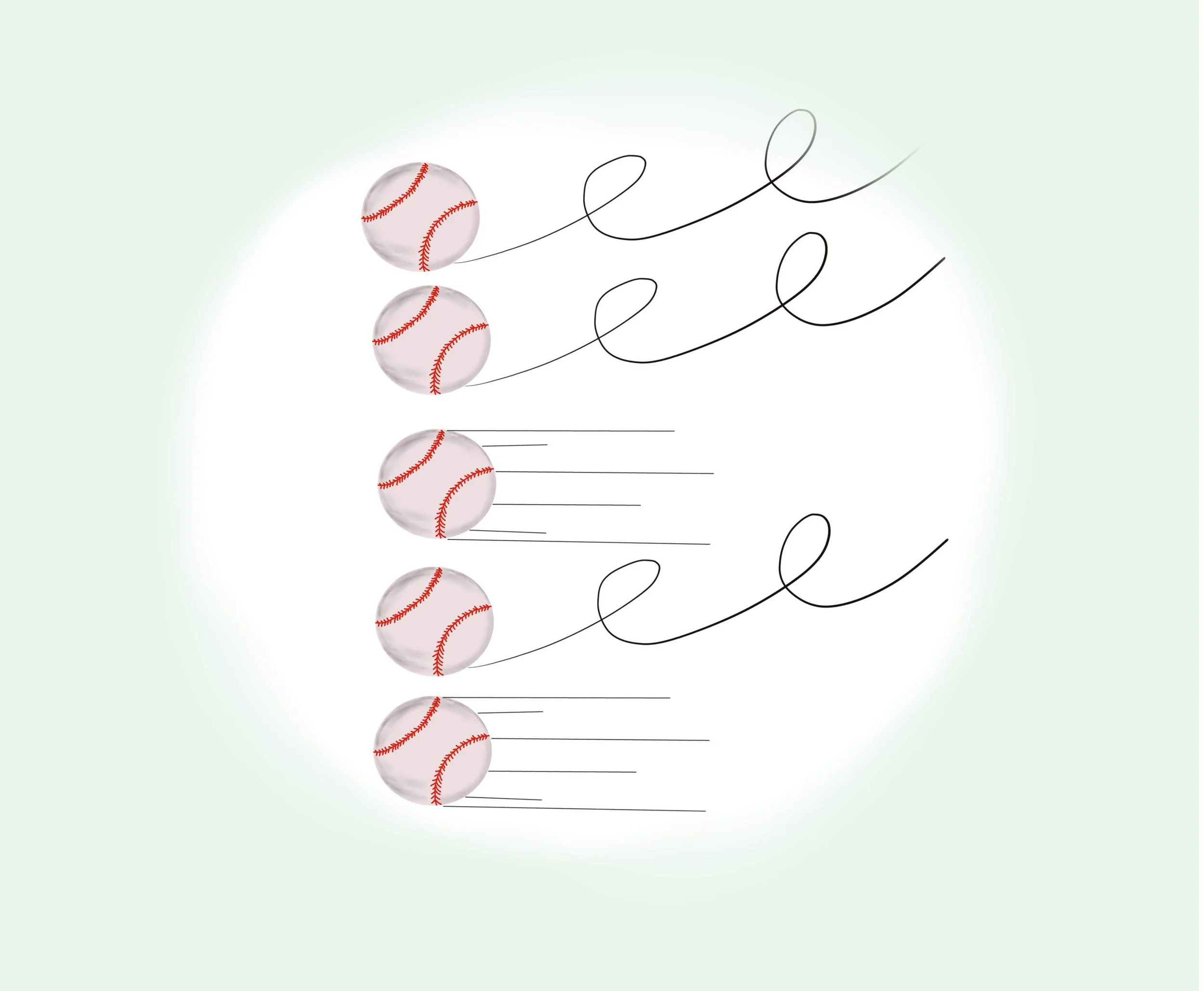
It can also aid memory to intersperse different subjects, called interleaved practice. Instead of studying one subject for the entirety of a study session, you can mix up subjects. By moving away from a topic for a few minutes and then coming back to it, you give your mind the opportunity to recall what you were studying and make connections with other subjects. This also more accurately simulates how you will use the information you’ve learned in your daily life. Again, this may feel less efficient.
For example, if you spend your entire baseball practice hitting fast balls, you may notice more improvement in your ability to hit fast balls during that practice, than if you practice hitting a lot of different pitches. But, if you practice hitting unpredictable pitches, you will be more closely replicating the circumstances of a real game. In a game you won’t know what kind of pitch is coming, and practicing under the same conditions means you are practicing switching up how you are hitting the ball in real time. Your improvement during practice will not be as noticeable, but you will improve more in your game-time performance.
Memorable Story-telling
How FOMO can impact investments, whether real estate or crypto
Impactful Visuals
What are the risks of not investing?
Is there a topic you want an animation to explain?
Email jessie@cashtoons.com with your thoughts and feedback.